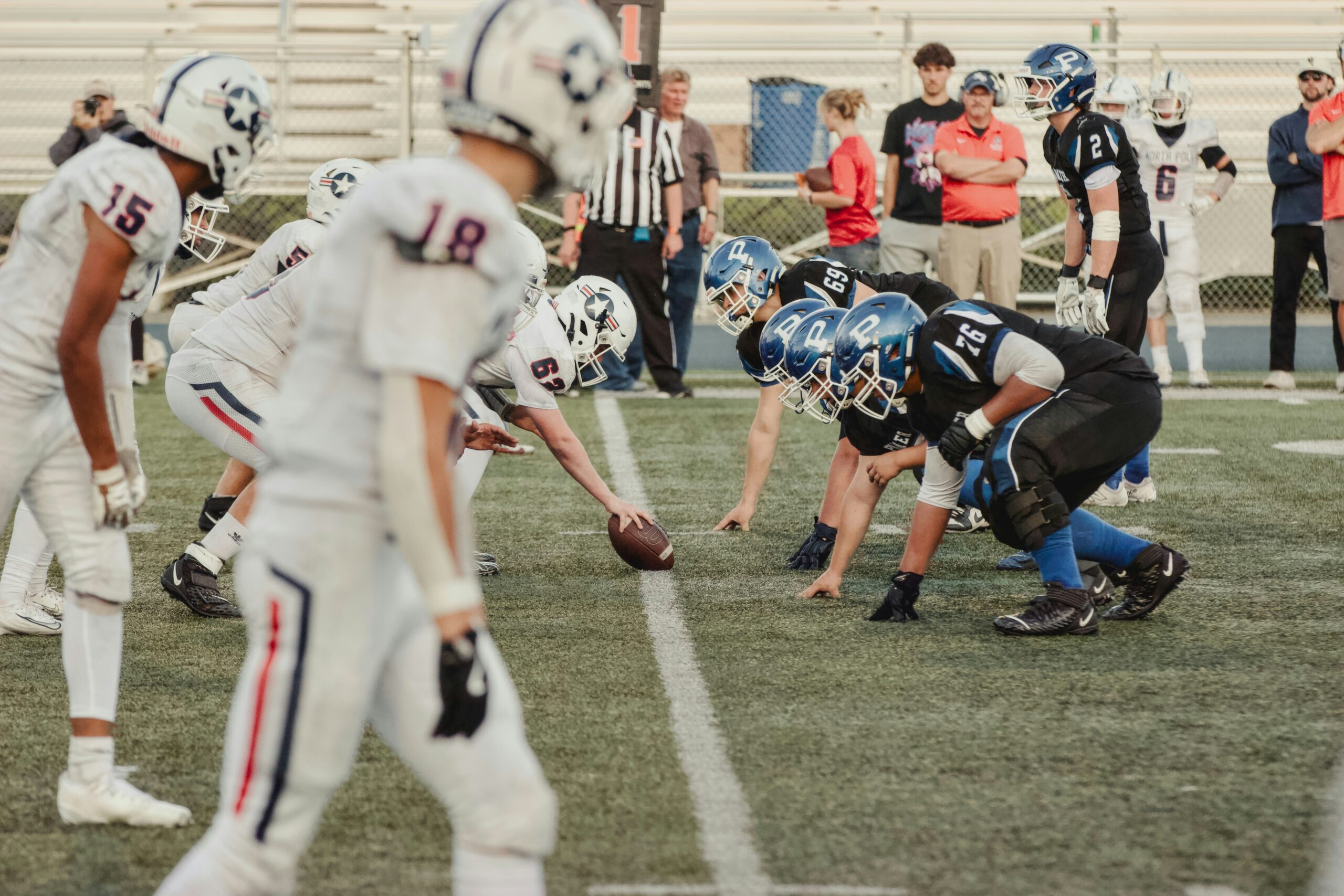
College football is more than just a sport in the United States; it is a deeply rooted cultural phenomenon built around unforgettable football games that bring together students, alumni, families, and entire communities. Every fall, stadiums fill with roaring fans, marching bands set the rhythm, and long-standing traditions come alive once again. From small college towns to major cities, college football Saturdays shape weekends and create memories that last a lifetime.
What makes college football especially compelling is the emotional connection people feel to their teams. Unlike professional sports, loyalty often spans generations, tied to alma maters, hometown pride, or family tradition. As a result, every kickoff carries meaning far beyond the scoreboard.
The Power of Tradition
College football traditions help define programs and set them apart from one another. Whether it is a team running through a banner, a specific song played after every score, or a mascot’s ritual appearance, these customs connect the present to the past. Over time, they become symbols of identity that fans proudly pass down.
At the same time, traditions give game days a sense of continuity. Even as players and coaches change, familiar rituals remain constant, offering comfort and excitement. Consequently, fans feel part of something bigger than a single season, reinforcing the enduring appeal of the sport.
Legendary Rivalries That Define the Sport
Rivalries are the heartbeat of college football, fueling some of the most intense and unforgettable moments in sports. These matchups are often rooted in history, geography, or conference battles, making every meeting deeply personal. When rivals face off, records and rankings frequently take a back seat to pride and bragging rights.
Moreover, rivalry games elevate the atmosphere to another level. The energy in the stands is unmatched, and players often deliver their most passionate performances. As a result, these contests tend to produce dramatic finishes, shocking upsets, and stories that are retold for decades.
The Game Day Atmosphere
Few sporting events can rival the atmosphere of a college football game day. Long before kickoff, campuses transform into lively hubs of activity. Tailgates line parking lots, grills fire up, and fans dressed in team colors gather to celebrate. This shared experience creates a festive environment that welcomes both die-hard supporters and casual observers.
Inside the stadium, the excitement only intensifies. Marching bands, cheer squads, and coordinated fan chants contribute to an immersive spectacle. Meanwhile, the close proximity of the field often makes fans feel directly involved in the action, strengthening the emotional bond between the team and its supporters.
The Role of Coaches and Player Legends
Coaches often become the face of a college football program, shaping its culture and long-term success. Iconic coaches are remembered not only for their wins but also for their leadership and ability to inspire young athletes. Over time, their philosophies influence generations of players and fans alike.
Similarly, legendary players leave lasting impressions through unforgettable performances. Many go on to professional careers, yet their college achievements remain a source of pride for their schools. Consequently, these figures become part of the program’s lore, often honored through ceremonies, retired jerseys, or stadium tributes.
Marching Bands and School Spirit
Marching bands play a crucial role in shaping the identity of college football programs. Their performances energize crowds, intimidate opponents, and add a distinct musical backdrop to every game. From pregame shows to halftime performances, bands keep the momentum alive even when the clock stops.
In addition, school spirit extends beyond music. Students paint their faces, organize themed sections, and lead chants that echo throughout the stadium. Together, these elements create an environment that feels uniquely collegiate, reminding everyone that college football is as much about community as it is about competition.
Regional Identity and Community Pride
College football is closely tied to regional identity, particularly in areas without professional teams. In these regions, the local college program often serves as the primary source of sports pride. Game days bring entire communities together, uniting people across different backgrounds under a shared banner.
Furthermore, the economic and social impact of college football on local communities is significant. Restaurants, hotels, and small businesses thrive on game weekends. At the same time, charitable events and community outreach programs connected to teams strengthen the bond between universities and their surrounding towns.
Modern Media and Expanding Reach
In recent years, television and digital media have expanded the reach of college football dramatically. Games are now accessible to fans nationwide, allowing alumni and supporters to stay connected regardless of location. This exposure has helped elevate the sport’s profile and attract new audiences.
Additionally, social media has transformed how fans engage with teams and players. Highlights, behind-the-scenes content, and instant reactions enhance the overall experience. As a result, college football continues to evolve while maintaining its traditional roots.
Why College Football Endures
The enduring popularity of college football lies in its balance of tradition and excitement. While strategies and technologies change, the core elements—passion, rivalry, and community—remain constant. Each season offers a fresh chapter while honoring the past.
Ultimately, college football thrives because it creates meaningful connections. It stands as a central pillar of American sports culture, shaping identities and uniting generations. It brings people together, sparks lifelong loyalties, and delivers unforgettable moments. As long as those qualities endure, college football will remain a cherished part of the national experience.